season-guide
Light Summer vs Cool Summer: What's Actually Different?
Both are cool Summers — but Light Summer fades up while Cool Summer deepens down. Use the depth test to find which cool palette is yours.
Within the Summer family, this pairing causes a specific kind of confusion: both seasons are unmistakably cool, so warm-vs-cool tests tell you nothing. Both can wear rose, berry, and blue-gray. The real question is different — when your colors gain depth, do you gain polish or lose yourself?
That’s the axis this article stays on. Not undertone (both cool), not hue family (both Summer) — but value and clarity: how light your best colors sit, and how much saturation they can carry.
The One-Sentence Version
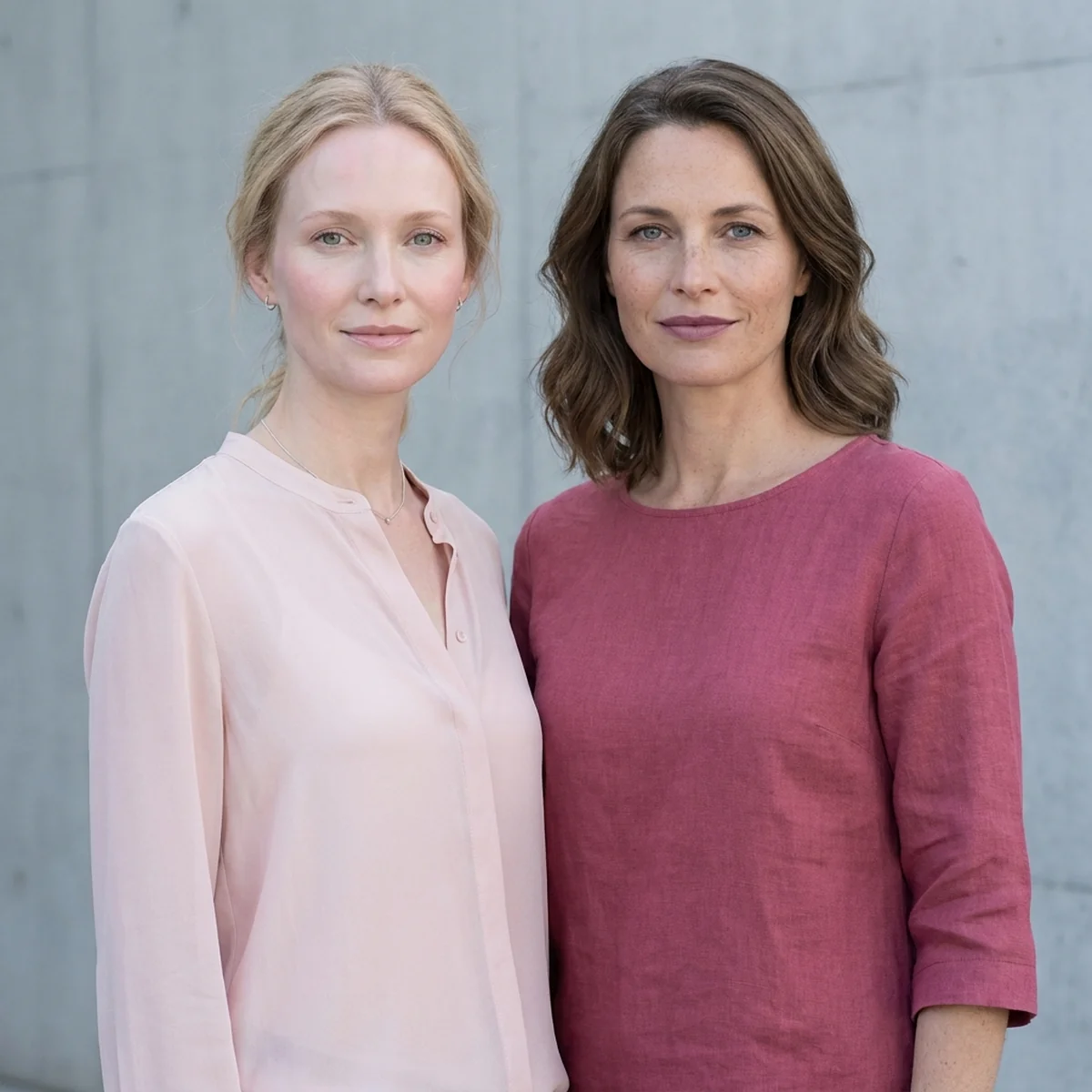
A Light Summer palette lives in the upper register — petal pinks, shell rose, pearl beige, misty taupe. Colors feel diluted with light, not gray.
A Cool Summer (also called True Summer) palette sits one full step deeper — rose berry, dusty mauve, soft pewter. Still gentle, but with visible body and even saturation from top to bottom.
If you’ve ever worn a delicate pink and been told you look “fresh,” but put on a raspberry tone and felt the color arrive before you did — that’s Light Summer talking. If deeper cool tones make your features snap into focus while pastels leave you looking faintly unfinished, that’s Cool Summer.
Why Undertone Tests Fail Here
Standard draping advice says: cool undertone → Summer. Fine — but both of these seasons pass that test, so it can’t break the tie. What distinguishes them shows up only when you compare depth levels, not temperature:
| Signal | Points to Light Summer | Points to Cool Summer |
|---|---|---|
| Very pale colors near the face | Blend in beautifully | Look slightly thin or washed |
| Medium-deep cool berries | Overwhelm gently | Sit perfectly |
| Hair + skin overall read | Airy, low weight | Even, composed |
| Contrast tolerance | Low — keep everything close in value | Moderate — handles more range |
The Depth Test
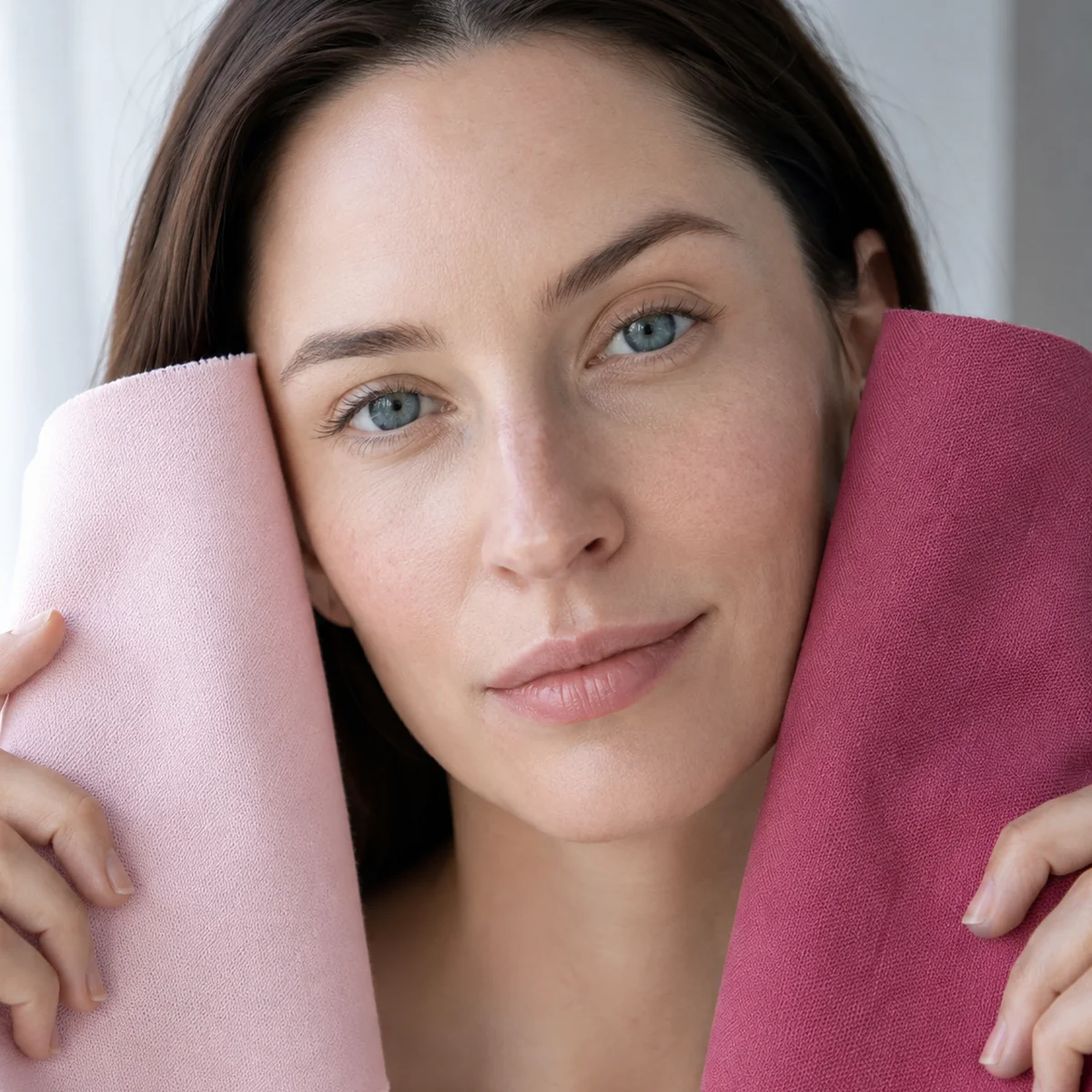
Do this in indirect daylight with two garments or large swatches:
- A very light cool shade — petal pink, powder blue.
- A medium cool shade with real saturation — raspberry rose, slate blue-gray.
Wear each near your face for thirty seconds and check the same three places every time: under-eye shadows, the edges of your face, and lip color without makeup.
- If the light shade makes your features look more defined while the deeper one casts faint shadows → Light Summer.
- If the deeper shade makes everything look tidier while the pale one makes you fade into your clothes → Cool Summer.
The trap to avoid: judging by preference. Many people love pastels on hangers yet look best in deeper tones, and vice versa. Your eye adapts; your under-eyes don’t lie.
How Each Season Shows Up Day to Day
Light Summer
Think watercolor rather than oil paint. Rosewater pink, petal mauve, soft dove gray — colors that seem to share a little daylight with whatever they’re paired against. Makeup stays breezy: cool pink lips, petal blush, soft taupe eyes. Structure comes from fit and layering rather than strong color steps, because heavy dark blocks are what flatten this season.
Cool Summer
The composed middle of the Summer family. Its colors have enough body to anchor an outfit — rose berry lips, cool rose blush, taupe-plum eyes all read as deliberate rather than loud. This is also the season that bridges toward Winter, which is why it tolerates crisper whites and deeper blues than Light Summer ever will.
Makeup and Hair Signals
Light Summer’s habits tend to run sheer: cream blush over powder, lip tints instead of full-pigment lipstick, brows kept soft rather than defined. This isn’t timidity — full-strength color genuinely competes with this season’s low natural contrast, so sheer application is often the correct choice, not a compromise. Hair usually sits in lighter, cooler tones — ash blonde, soft mousy brown — where depth stays gentle from root to end.
Cool Summer can build more structure without losing softness: a defined brow, a rose berry lip at full strength, blush with visible pigment rather than a wash of color. Hair often runs a shade or two deeper than Light Summer’s — cool mid-brown, ash brunette — with enough richness to match the palette’s added weight. If your hair and makeup routine already leans toward “more coverage, more definition” without feeling harsh, that’s a Cool Summer signal worth trusting.
Building a Wardrobe Around Whichever Season Fits
Once you know whether you lean light or deep, the fastest wardrobe fix isn’t a full closet overhaul — it’s auditing what already sits closest to your face. Blouses, scarves, and the top half of any layered outfit carry more visual weight than pants or shoes, so start there.
Light Summer benefits from stacking soft values together: a petal-pink blouse under a dove-gray cardigan, or a pearl-beige coat over a rosewater top. The goal is keeping every piece within a similar, gentle depth so nothing has to fight for attention. Cool Summer can handle more range in a single outfit — a deeper rose berry top paired with a lighter cool-gray bottom reads as intentional contrast rather than mismatched pieces.
For both seasons, treat pure white and true black as accent decisions rather than defaults. A soft ivory or dove-gray usually does the neutral job better than optical white, and charcoal or cool taupe often outperforms black for the same reason it does across the rest of the cool Summer family — it holds the same gentle-but-composed energy the rest of the palette relies on.
Where the Confusion Usually Starts
“My favorite color is pastel, so I must be Light Summer.” Preference isn’t evidence. Plenty of Cool Summers adore pastels and still look better in medium-depth cool tones.
“Cool Summer sounds like it should be cold-looking.” No season is about looking literally icy. Cool here means pigment direction — blue-based rather than yellow-based — not temperature vibes.
“I’m between them.” Also common, and legitimate. The overlap zone (dusty rose, misty taupe, soft berry) flatters both. Start there, then let one or two bolder pieces reveal which edge of the family you actually inhabit.
FAQ
Is Cool Summer the same as True Summer? Yes — most 12-season systems use those labels for the same season: the cleanest, most even-toned Summer. “Light Summer” is a separate sub-season defined by its high-lightness palette.
Can Light Summer wear white? Soft off-whites and pearl tones work far better than optical white. Pure white creates a harsh step against low-contrast light coloring, while ivory-pink and shell tones merge naturally.
Which season suits darker hair better? Generally Cool Summer. Deeper ash-brown hair raises the contrast level, and the Cool Summer palette has the body to match it. That said, hair color follows personal style too — treat it as one signal among several.
Can I just mix both palettes? In the shared middle zone, absolutely. The mistake is mixing their extremes — very pale pastels with saturated mid-deep berries in one outfit tends to look unresolved on either season.
How does this pairing compare to the True Summer vs Soft Summer question? Different axis entirely. Light Summer vs Cool Summer is about how much depth your coloring holds. True Summer vs Soft Summer is about how much saturation it holds. You can be light-leaning and clear, or deep-leaning and soft — the two questions are independent, which is why it helps to test them separately instead of assuming one answer settles both.
Final Thoughts
Between two cool seasons, don’t re-test warmth — test weight. Lay something feather-light against something with body and watch which one your face thanks you for. Once you know whether your coloring runs airy or anchored, choosing between rosewater and raspberry stops being guesswork.
Keep mapping your season:
- Browse all twelve on the EverlySpark season hubs
- Sorting out the saturation question too? Read Are You True Summer or Soft Summer?
- See how Light Summer borders Spring in Are You Light Summer or Light Spring?
- Read the neighboring comparison in Light Spring vs Light Summer
- Explore the whole system in All 12 Personal Color Seasons Explained Simply
- Or get a photo-based read with the personal color analysis tool
Not sure which season fits you best?
Start with a simple photo-based personal color analysis, then explore makeup guides and product picks tailored to your results.