guide
The Colors That Make Men Look Younger
Discover which colors make men look younger based on their personal color season. Learn which warm and cool tones to wear near your face — and which to avoid.
Most men never think about whether their clothes make them look younger or older.
They pick colors they have always worn, or colors that seem safe. Black, navy, gray, white. The classics.
But here is the part that most style guides skip: the same colors do not work the same way on every man. A color that makes one man look sharp and rested can make another look tired, washed out, or ten years older than he is.
The difference is not brand, price, or even fit. It is whether the color harmonizes with your natural skin undertone.
Quick Answer: The colors that make men look younger are the ones that match their personal color season — not the ones that are simply “timeless.” For warm-toned men, soft camel, dusty olive, and terracotta tend to brighten the face. For cool-toned men, dusty blue, cool navy, and soft gray do the same. The colors that most often add years are high-contrast combinations that do not match your undertone: stark white, harsh black, or washed-out beige in the wrong season.
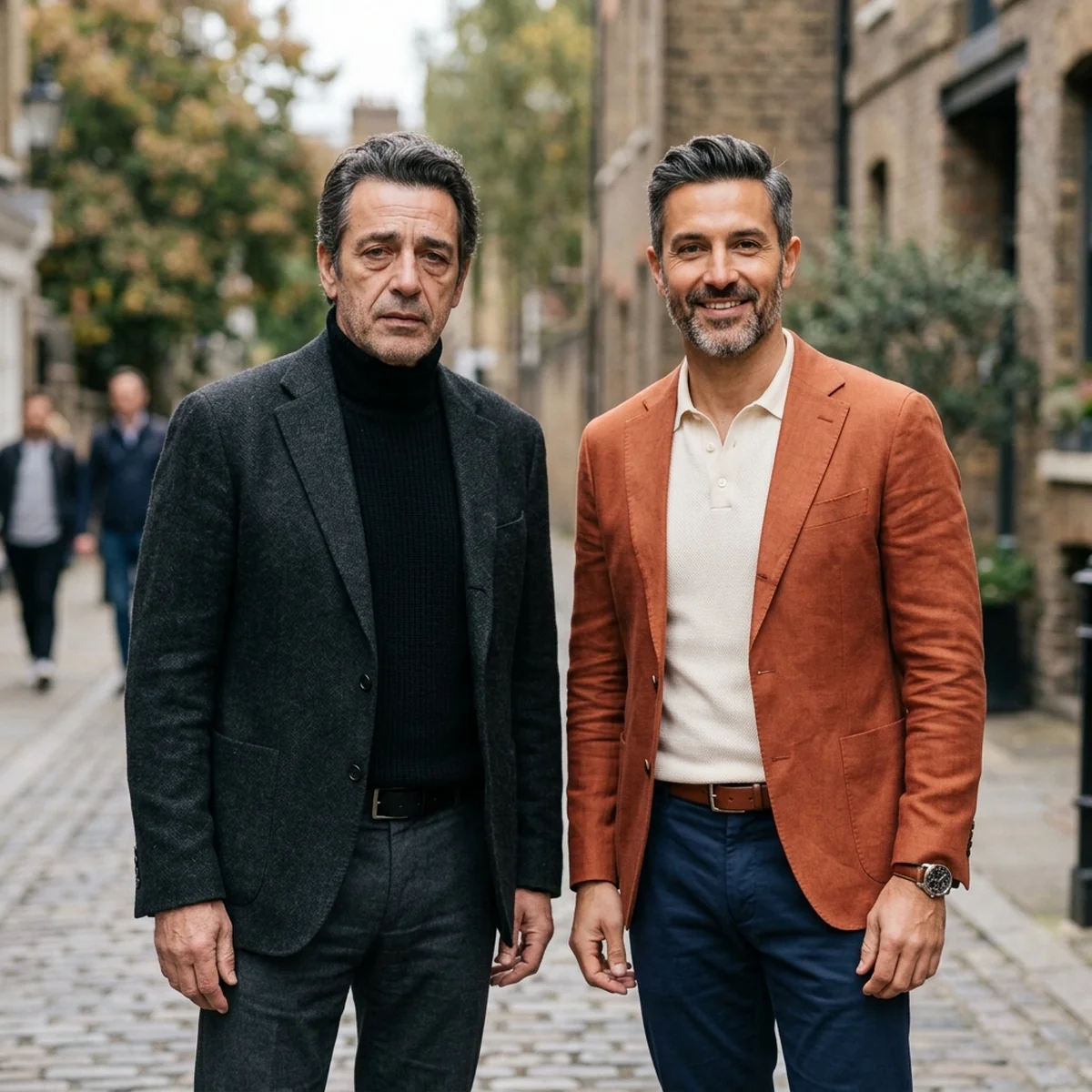
In this guide, we will look at what actually makes a color “youthful” for men, how to identify which colors work for your undertone, and which combinations to avoid.
Why Color Affects How Old You Look
This might sound like beauty advice aimed at women. It isn’t.
Color sits directly against the face. When a shirt or jacket color harmonizes with your skin’s natural undertone, your face tends to look clearer, more even, and more rested. When it clashes, the same face can look shadowy, flat, or fatigued — regardless of how expensive the garment is.
This is the core idea behind personal color analysis, and it applies just as much to men as it does to women. It does not require knowing your precise season. It starts with a simpler question: do you lean warm or cool?
The Quick Test: Warm or Cool?
You do not need a professional analysis to make a meaningful improvement. A rough read on warm versus cool is enough to get the color direction right.
Here are two reliable shortcuts:
Check your vein color. Look at the inside of your wrist in natural light. Veins that appear greenish suggest warm undertones. Veins that read blue or purple suggest cool undertones.
Check your jewelry. Which metal has always looked better on you — gold or silver? If gold consistently suits you better, you likely lean warm. If silver looks sharper, you likely lean cool.
Most men fall clearly into one direction. A small number are genuinely neutral, in which case both palettes work reasonably well.
Colors That Make Warm-Toned Men Look Younger
If you lean warm — think Spring or Autumn in the 12-season system — these are the colors that tend to make your skin look clear and your features more defined:
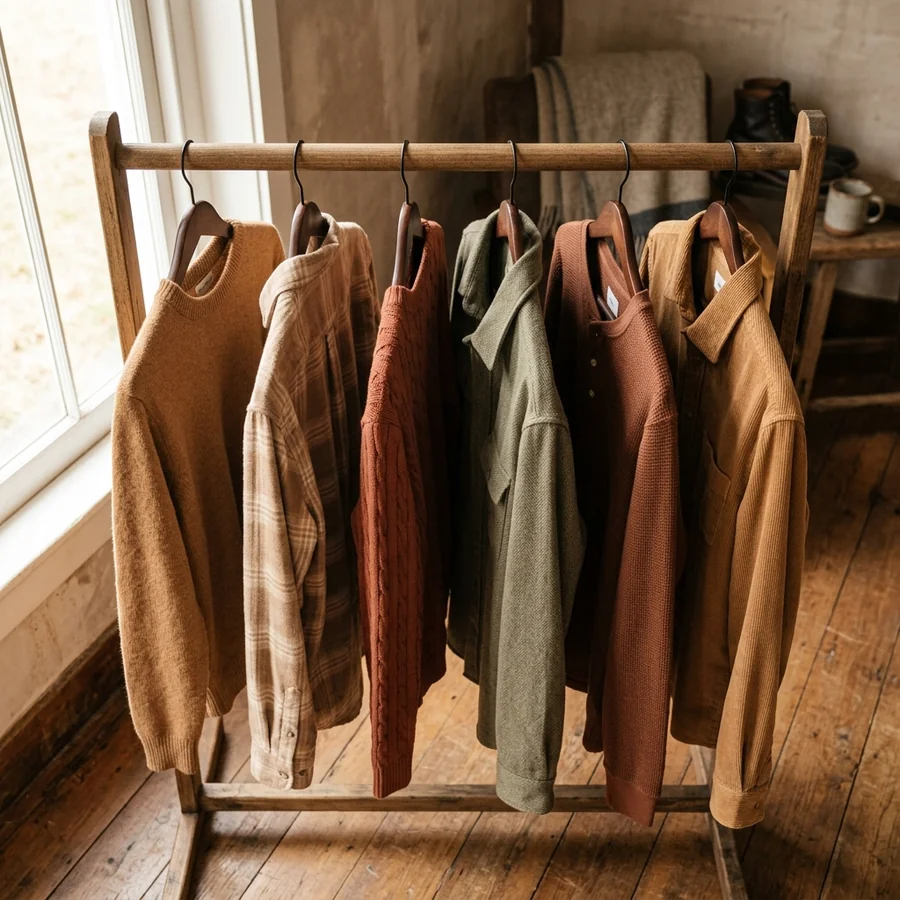
Camel and warm tan. This is one of the most flattering neutrals for warm-toned men. It echoes the golden warmth in your skin without competing with it, creating a natural, effortless look.
Dusty olive and muted green. These earthy tones sit harmoniously with warm undertones. They add depth without making the face look heavy.
Soft terracotta and warm rust. Used as an accent — a shirt, a sweater — these shades bring warmth to the face in a way that reads as healthy rather than loud.
Warm white and cream. A pure, bright white can be too stark for warm-toned skin. Cream or off-white softens the contrast and tends to look more natural near the face.
What Warm-Toned Men Should Avoid
Stark black near the face. On most warm-toned men, black creates harsh shadows that emphasize lines and fatigue. Charcoal or dark brown often work better for the same effect without the harshness.
Icy pastels. Cool, blue-based pastels — icy pink, cool lavender, silver gray — tend to drain warmth from the face, making skin look uneven or tired.
Colors That Make Cool-Toned Men Look Younger
If you lean cool — Summer or Winter in the 12-season system — the colors that tend to work best are those with blue or gray undertones:
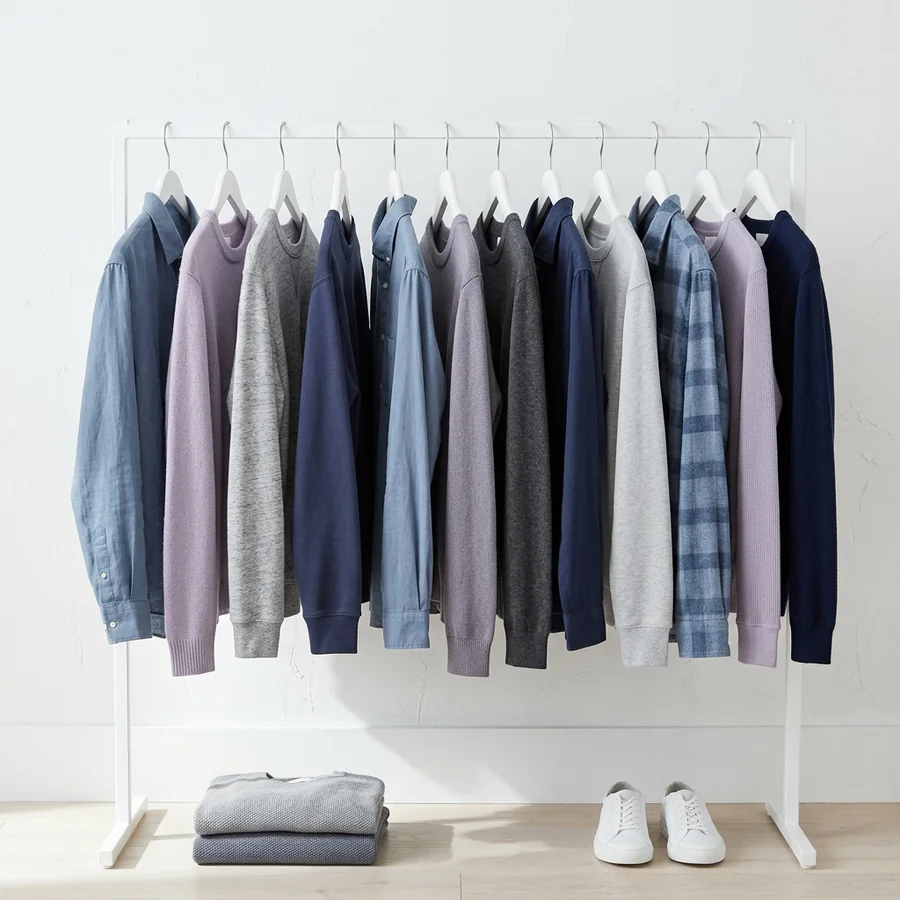
Dusty blue and soft navy. These are among the most universally flattering colors for cool-toned men. Navy in particular works across a wide range of cool undertones and tends to make the face look rested and clear.
Cool gray and charcoal. Where warm-toned men often struggle with high-contrast gray, cool-toned men tend to carry it well. It creates a clean, refined look without adding harshness.
Soft lavender and cool rose. These might sound surprising, but on men with genuinely cool undertones — particularly Summer types — soft lavender creates a surprisingly refined and fresh effect.
True white. Unlike warm-toned men, cool-toned men often wear bright white very well. It creates a clean contrast that reads as sharp rather than harsh.
What Cool-Toned Men Should Avoid
Warm earth tones near the face. Camel, rust, and olive — the warm palette discussed above — can make cool-toned skin look sallow or uneven. They work better as trousers or shoes than as shirts.
Washed-out beige. A beige that lacks warmth or clarity tends to look lifeless against cool skin, creating a faded, aged effect.
The Colors That Most Often Add Years
A pattern appears across both warm and cool undertones: the colors that tend to age men the most are not the “wrong” ones in an obvious way. They are the ones that create the wrong kind of contrast.
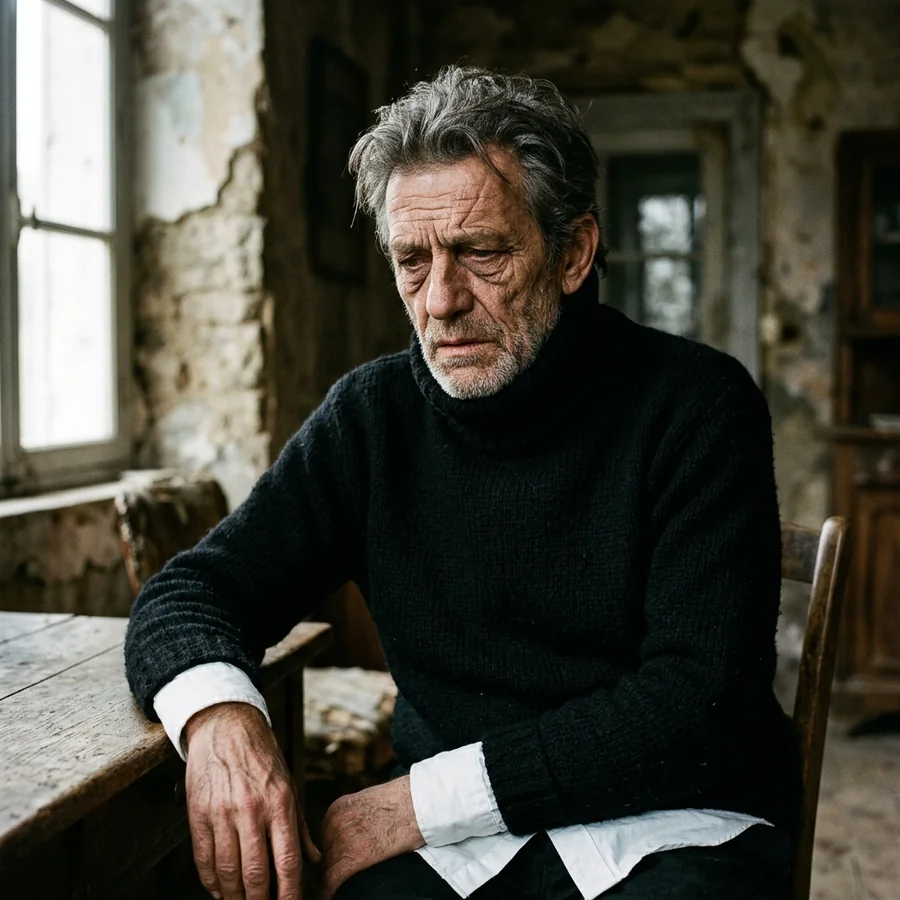
High-contrast black and white. This combination is classic for a reason, but it can work against men whose features do not have naturally high contrast. On a warm-toned man or a man with softer coloring, the stark contrast creates a spotlight effect that emphasizes lines and shadows rather than features.
Faded or grayed-out colors that do not match your undertone. A color that was vibrant in the store but looks dull against your skin is draining your face, not your wardrobe.
Colors that blend into your skin tone with no definition. Very light beige on very light skin, or very dark brown on deep skin without a complementary accent, can create a flat effect that reads as tired rather than relaxed.
A Simple Season-to-Color Guide for Men
You do not need a full personal color analysis to use this. Find your rough category and start there.
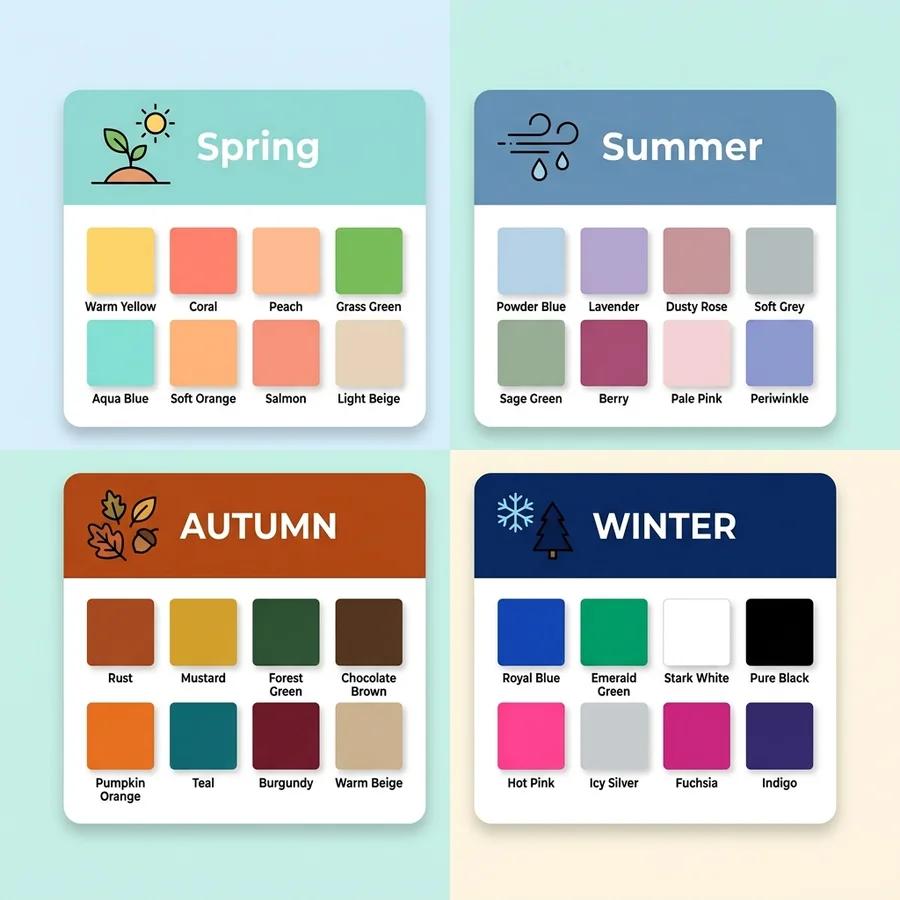
Spring Men (Warm + Light)
Colors that tend to work: warm peach, light camel, fresh green, ivory, light coral
Colors to avoid: black near the face, stark white, cool gray
Summer Men (Cool + Soft)
Colors that tend to work: dusty blue, soft gray, cool lavender, rose, cool navy
Colors to avoid: orange, rust, warm brown near the face
Autumn Men (Warm + Deep)
Colors that tend to work: olive, camel, rust, chocolate brown, warm burgundy
Colors to avoid: icy pastels, stark white, cool blue-based tones
Winter Men (Cool + Deep)
Colors that tend to work: true navy, black, burgundy, cool white, charcoal
Colors to avoid: warm earth tones near the face, muted beige
If you want a more precise read, EverlySpark’s photo-based color analysis can identify your season from a clear photo.
What This Actually Looks Like in Practice
The change does not need to be dramatic. Most men notice a meaningful improvement from one or two adjustments:
Swap your go-to black or white t-shirt for the tonal equivalent that matches your undertone — camel or cream for warm men, dusty blue or soft gray for cool men.
When buying a new jacket, suit, or coat, prioritize the color that works for your undertone over the one that seems the most “classic.” A classic color in the wrong undertone is still the wrong color.
Pay attention to which colors earn you compliments when you wear them. Most men already intuitively gravitate toward their best colors — they just have not connected the pattern yet.
FAQ
Do color rules for looking younger apply to all skin tones?
Yes, but the specific colors vary. The principle — that colors matching your undertone tend to make your face look clearer and more rested — applies across all skin tones. What changes is which specific shades work within each warm or cool palette.
Can dark colors make a man look older?
They can, depending on undertone and contrast. A dark color that does not match your undertone can create shadows and flatten the face. However, dark colors that do match — deep navy for a Winter type, dark olive for Autumn — can look sophisticated without adding years.
Does this only apply to shirts, or to outerwear as well?
The principle applies most strongly to items worn near the face: shirts, knitwear, jacket lapels, scarves. Trousers and shoes matter less because they are farther from the face.
Is there one color that works for everyone?
Not exactly. Navy comes closest to being universally useful — it works well for cool-toned men and reads as classic rather than wrong for most warm-toned men. But even navy has variations: a warm, slightly muted navy suits warm-toned men better than a cool, saturated navy.
How do I find my personal color season?
The clearest method is a drape-based analysis with a professional. A practical starting point is EverlySpark’s photo-based color analysis, which can give you a directional result from a natural-light photo.
What if I have been wearing the wrong colors for years?
It is a common situation. Most men are never taught this. The adjustment does not require replacing a wardrobe — it usually means making slightly different choices the next time you buy something near your face.
Final Thoughts
Looking younger is not about trends, and it is not about expensive products.
It is about understanding the simple relationship between your skin’s undertone and the colors you put near your face.
The right colors do not shout. They work quietly, making your skin look clearer, your features more defined, and your whole appearance more rested. The wrong colors do the opposite — and because the effect is subtle, most men never connect the cause.
Start with your undertone direction. Warm or cool. Then adjust one or two things near your face and see what happens.
If you want to go further, our guide to the 12-season color system explains the full framework — and our photo-based analysis can place you within it in a few minutes.
Not sure which season fits you best?
Start with a simple photo-based personal color analysis, then explore makeup guides and product picks tailored to your results.