guide
Best Colors for Each Season Updates!!!
Introduction

If you’ve already explored personal color analysis, you probably know that each season has its own set of flattering colors. But as trends evolve and real-life styling becomes more practical, it’s important to revisit what “best colors” actually mean.
This updated guide will help you understand not only the best colors for each season, but also how to use them in a modern, flexible way.
What Has Changed in Color Styling?
Traditional color analysis often focused on strict rules. Today, the approach is more practical and adaptable.
Instead of asking: “What colors am I allowed to wear?”
The better question is: “What colors make me look my best in real life?”
This shift is important because modern styling allows more flexibility while still maintaining harmony.
Spring: Fresh Warmth with Clarity
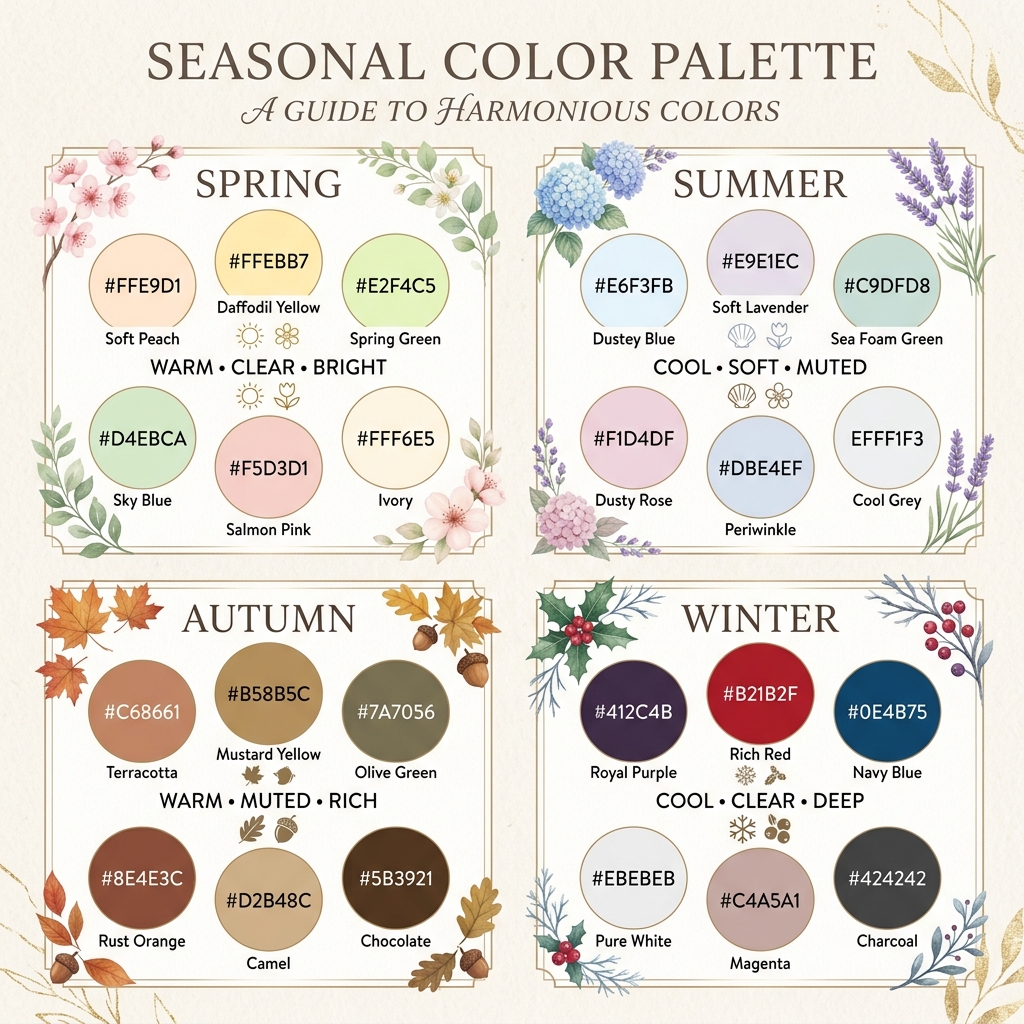
Spring colors are still defined by warmth and brightness, but today’s approach emphasizes clean and fresh tones rather than overly pastel looks.
Updated best colors:
- Clear coral
- Fresh peach
- Light warm pink
- Soft turquoise
- Warm light green
Modern tip: Avoid overly dusty or muted “Instagram beige” tones — they flatten Spring brightness.
Summer: Soft Cool Elegance
Summer palettes remain cool and soft, but modern styling favors slightly clearer softness rather than overly gray tones.
Updated best colors:
- Dusty rose
- Cool pink
- Soft lavender
- Muted blue
- Light cool gray
Modern tip: Instead of going fully muted, choose colors with a bit of life to avoid looking washed out.
Autumn: Rich Warm Depth
Autumn continues to shine in deep, warm tones, but modern palettes lean toward refined richness rather than heavy, overly dark shades.
Updated best colors:
- Olive green
- Warm brown
- Rust
- Terracotta
- Deep mustard
Modern tip: Avoid going too dark everywhere — mix lighter warm tones to keep the look balanced.
Winter: Clean Contrast and Precision
Winter colors are still bold and cool, but modern styling highlights clean contrast rather than just dark intensity.
Updated best colors:
- True black and white
- Icy blue
- Fuchsia
- Cool red
- Deep navy
Modern tip: Avoid muted or “soft winter” looks — Winter thrives on clarity and sharp contrast.
How to Use Seasonal Colors Today
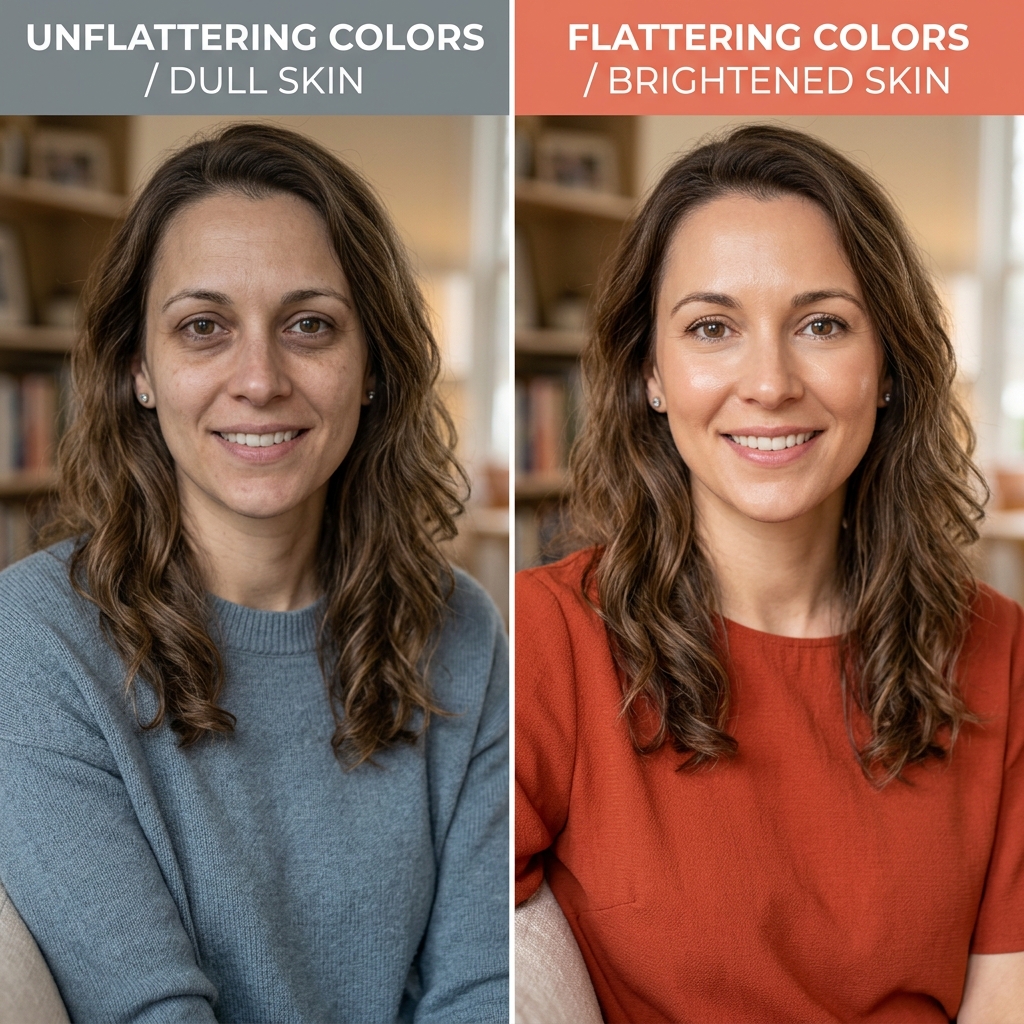
Instead of building your entire wardrobe around one palette, focus on placement:
- Wear your best colors near your face
- Use neutral basics for balance
- Add seasonal colors through accessories
This creates a more wearable and realistic approach.
The New Rule: Balance Over Perfection
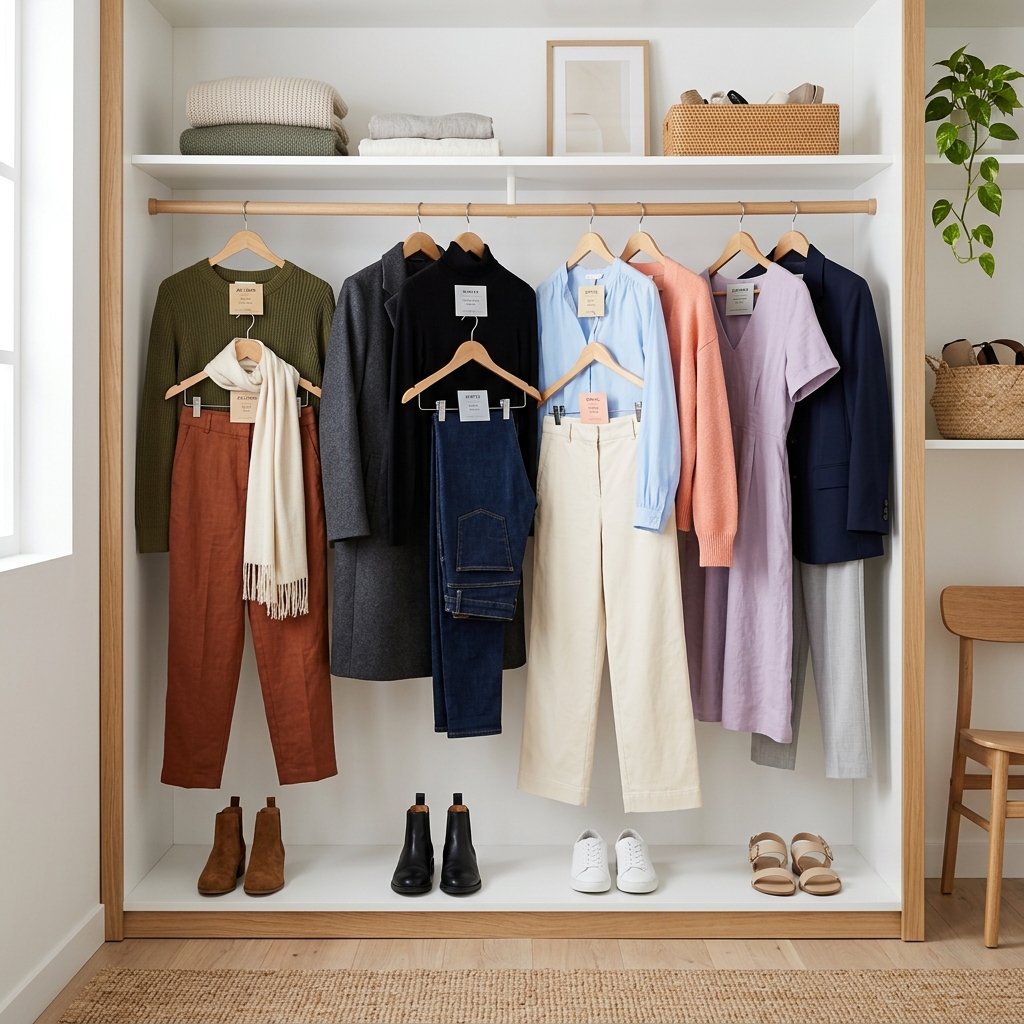
The biggest update in personal color styling is this:
You don’t need to follow your season perfectly.
Instead:
- Prioritize harmony
- Adjust intensity
- Focus on overall balance
This makes the system more practical and easier to apply daily.
Common Mistakes in 2026
Many people now:
- Overuse beige and neutral tones
- Follow trends instead of personal harmony
- Choose aesthetic over suitability
Even “trendy colors” can look off if they don’t match your natural tone.
Final Thoughts
The best colors for each season haven’t changed — but how we use them has evolved.
By focusing on clarity, balance, and real-life styling, you can use your color palette in a way that feels natural, modern, and effortless.
👉 Refresh Your Color Palette
Want to see your updated, personalized palette?
Try a color analysis and discover the tones that truly work for you today.
Common Mistakes to Avoid
- Avoid overly bright neon shades.
- Avoid warm orange-coral tones when your season is cool.
- Avoid high-contrast finishes that overpower soft coloring.
Not sure which season fits you best?
Start with a simple photo-based personal color analysis, then explore makeup guides and product picks tailored to your results.