season-guide
How to Find Your Undertone (Beginner-Friendly Guide)
Have you ever tried a makeup shade or clothing color that looked amazing on someone else — but somehow didn’t work for you? The reason is often your undertone.
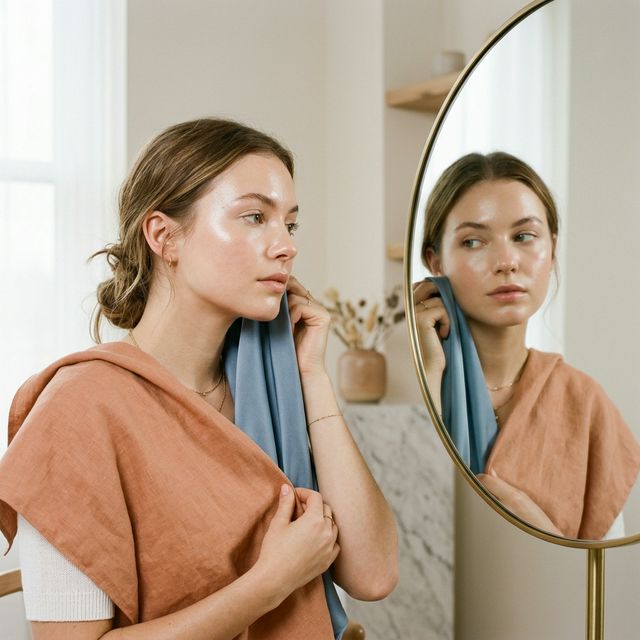
Understanding your undertone is the first step in personal color analysis. It helps you choose colors that naturally enhance your skin, making you look brighter, healthier, and more balanced.
In this guide, you’ll learn exactly how to find your undertone using simple, beginner-friendly methods.
What Is an Undertone?
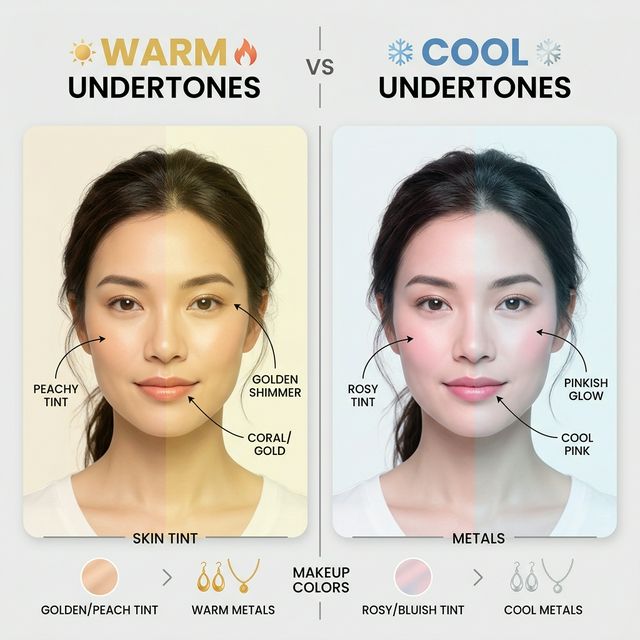
Your undertone is the subtle color beneath your skin’s surface. Unlike your skin tone (light, medium, dark), your undertone stays the same regardless of sun exposure.
There are three main types:
- Warm undertone → yellow, golden, or peachy tones
- Cool undertone → pink, red, or bluish tones
- Neutral undertone → a mix of both
Knowing your undertone makes it easier to choose the right makeup, clothing, and even hair color.
Why Undertone Matters
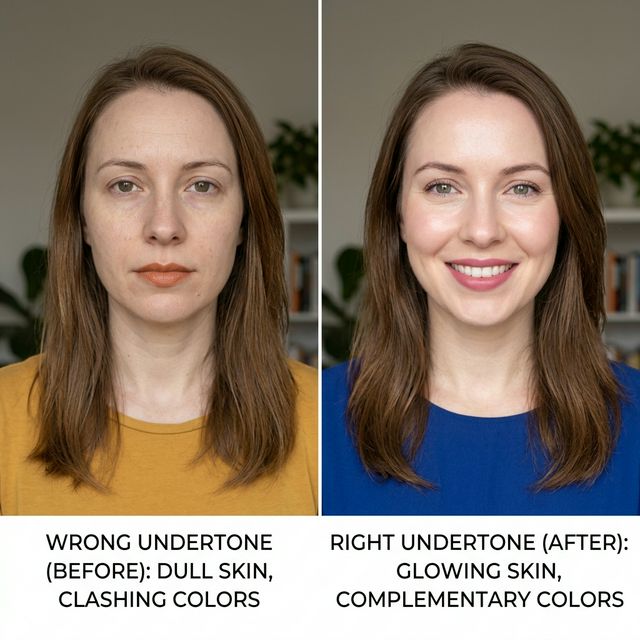
Your undertone affects how colors interact with your face.
When you wear the right colors:
- Your skin looks smoother
- Your complexion appears brighter
- Your overall look feels natural and balanced
When you wear the wrong colors:
- Your skin can look dull or gray
- Dark circles become more noticeable
- You may look tired even when you’re not
4 Easy Ways to Find Your Undertone
1. The Jewelry Test
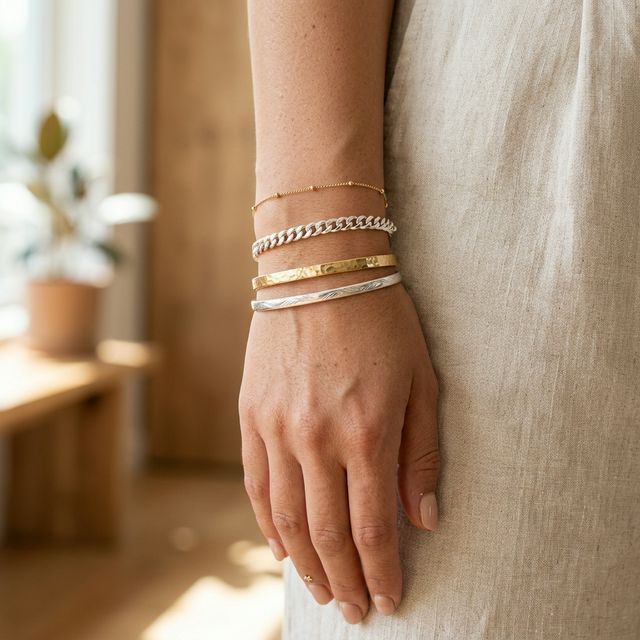
Ask yourself:
- Do you look better in gold jewelry? → Warm
- Do you prefer silver jewelry? → Cool
- Both look good? → Neutral
This is one of the easiest and quickest methods.
2. The Vein Test
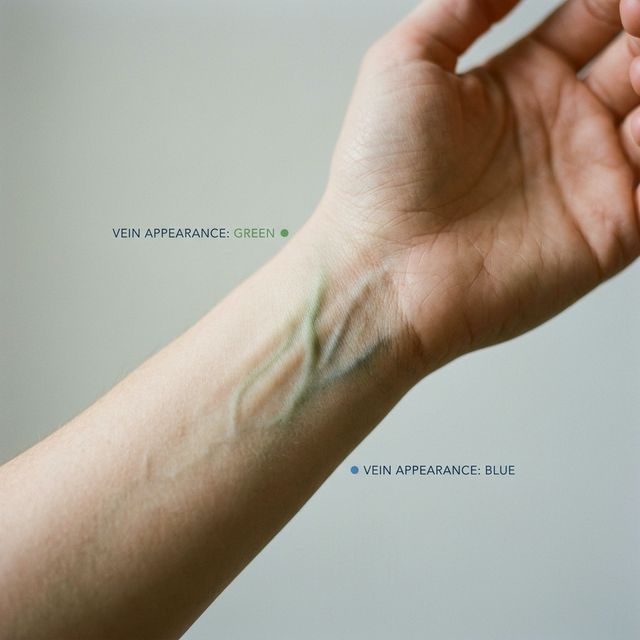
Look at the veins on your wrist:
- Green veins → Warm undertone
- Blue or purple veins → Cool undertone
- Hard to tell → Neutral
3. The White Paper Test
Hold a white sheet of paper next to your face in natural light.
- Skin looks yellow or golden → Warm
- Skin looks pink or rosy → Cool
- Hard to distinguish → Neutral
4. The Reaction Test
Pay attention to how your skin reacts to certain colors.
- Warm tones (orange, yellow) look better → Warm
- Cool tones (blue, pink) look better → Cool
Common Mistakes People Make
Many beginners confuse skin tone with undertone. You can have fair skin with a warm undertone or deep skin with a cool undertone.
Another common mistake is relying on only one test. For best results, combine multiple methods.
Can You Accurately Find Your Undertone at Home?
Yes — but it’s not always perfect.
Lighting conditions, camera filters, and personal bias can affect your judgment. That’s why many people get inconsistent results when trying to analyze themselves.
Final Thoughts
Understanding your undertone is one of the simplest ways to improve your appearance. It removes guesswork and helps you choose colors that truly work for you.
Once you know your undertone, everything becomes easier — from makeup to wardrobe choices.
👉 Find Your Undertone Instantly
Want a faster and more accurate result?
Try an AI-powered personal color analysis and discover your undertone in seconds.
This educational content is provided by EverlySpark to help you understand the science of color.
Common Mistakes to Avoid
- Avoid overly bright neon shades.
- Avoid warm orange-coral tones when your season is cool.
- Avoid high-contrast finishes that overpower soft coloring.
Not sure which season fits you best?
Start with a simple photo-based personal color analysis, then explore makeup guides and product picks tailored to your results.